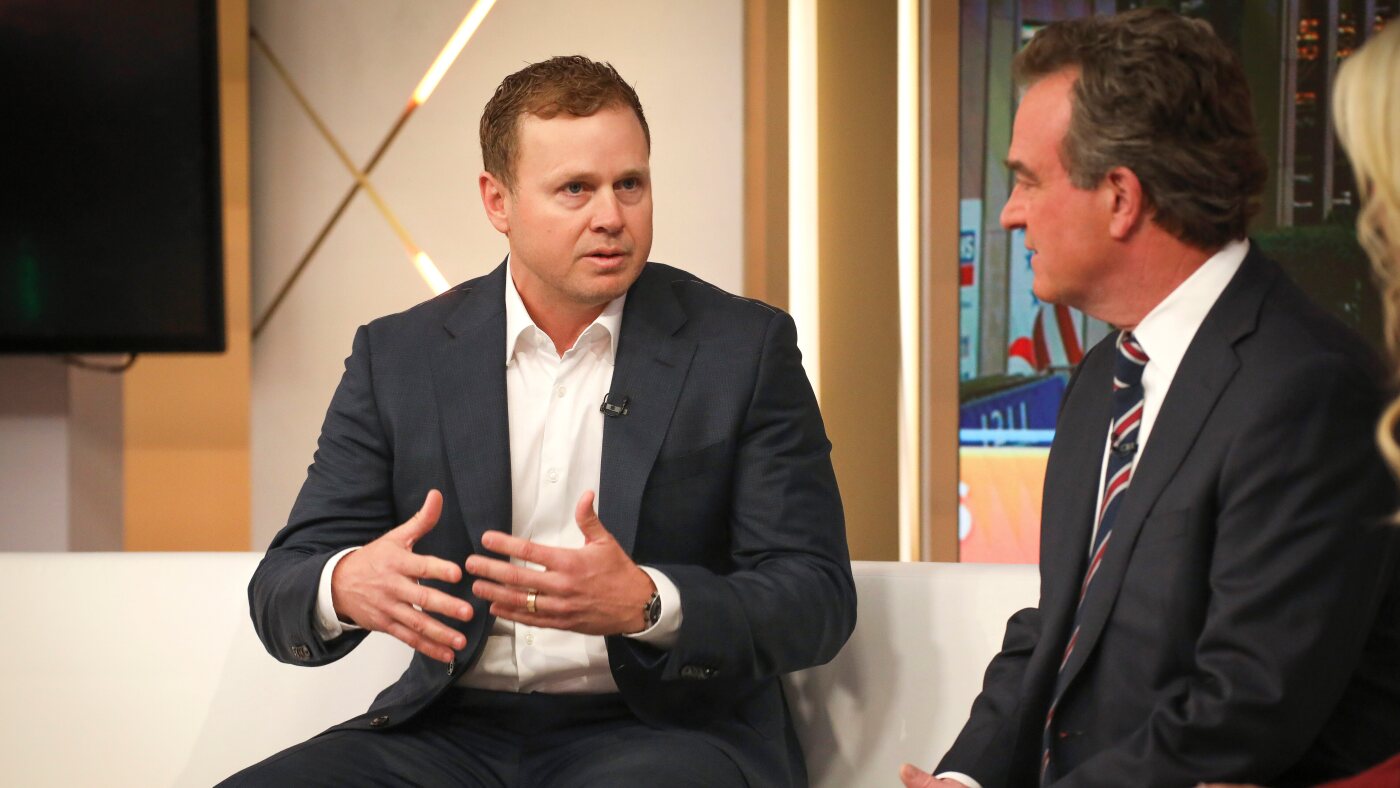
Join a fast-growing investment community offering free stock analysis, real-time market alerts, and expert commentary designed for smarter trading decisions. Former reality TV star Spencer Pratt is flooding social media with edgy humor, AI-generated content, and combative rhetoric as part of a potential mayoral bid in Los Angeles. Political experts suggest this approach could represent the future of online campaigning, potentially reshaping how candidates engage voters and attract political consulting dollars.
Live News
Spencer Pratt's Viral Campaign Strategy: A New Model for Political Marketing? The interpretation of data often depends on experience. New investors may focus on different signals compared to seasoned traders. Spencer Pratt, widely known from the reality series The Hills, has adopted an aggressive social media strategy to build name recognition and potentially secure the mayor’s office in Los Angeles. According to an NPR report, Pratt’s tactics include using “edgy humor, AI slop and combative rhetoric” to capture the attention of highly online voters. Political analysts quoted in the source describe this approach as a possible blueprint for future campaigning. Pratt’s method focuses less on traditional policy debates and more on virality and engagement metrics. The strategy suggests that candidates may increasingly rely on digital spectacle rather than conventional ground operations or media appearances. The source does not provide specific polling data or campaign finance figures, but the phenomenon highlights a growing intersection between entertainment, technology, and political marketing. Pratt’s online presence could attract new voters who are disengaged from traditional news sources, while also raising concerns about the role of misinformation and AI-generated content in elections.
Spencer Pratt's Viral Campaign Strategy: A New Model for Political Marketing?Analytical tools can help structure decision-making processes. However, they are most effective when used consistently.Monitoring multiple timeframes provides a more comprehensive view of the market. Short-term and long-term trends often differ.Investors often test different approaches before settling on a strategy. Continuous learning is part of the process.
Key Highlights
Spencer Pratt's Viral Campaign Strategy: A New Model for Political Marketing? Real-time alerts can help traders respond quickly to market events. This reduces the need for constant manual monitoring. - Pratt’s campaign strategy centers on “winning the internet” through provocative content, potentially lowering the cost of voter outreach compared to traditional advertising. - Political experts cited in the source view this as an emerging trend: candidates may prioritize social media influence over party endorsements or media interviews. - The use of AI-generated content (“AI slop”) may reduce production costs but could also pose risks related to authenticity and regulatory scrutiny. - For political consulting firms and digital marketing agencies, such methods represent a potential growth area, as local campaigns might hire specialists in viral content creation and AI moderation. - The long-term effectiveness of this approach remains uncertain; while it could build awareness, it may not translate into actual votes or policy credibility.
Spencer Pratt's Viral Campaign Strategy: A New Model for Political Marketing?Some traders use futures data to anticipate movements in related markets. This approach helps them stay ahead of broader trends.Data integration across platforms has improved significantly in recent years. This makes it easier to analyze multiple markets simultaneously.Investors often rely on both quantitative and qualitative inputs. Combining data with news and sentiment provides a fuller picture.
Expert Insights
Spencer Pratt's Viral Campaign Strategy: A New Model for Political Marketing? Observing trading volume alongside price movements can reveal underlying strength. Volume often confirms or contradicts trends. From a market perspective, Spencer Pratt’s campaign tactics illustrate how digital engagement strategies could influence political advertising spending and consulting services. If successful, such approaches might encourage more candidates to allocate budgets toward social media experimentation rather than traditional TV or radio buys. However, the financial implications are speculative. Political campaigns are often high-risk investments for consulting firms, and a reliance on viral tactics may carry reputational risks. Regulators could also tighten rules around AI-generated campaign materials, potentially increasing compliance costs. Investors in political technology companies or social media platforms may monitor this trend closely. The success of Pratt’s campaign—if he formally enters the race—would likely provide data on whether “winning the internet” can yield electoral wins. But without concrete financial disclosures or polling data, any assessment remains highly tentative. Disclaimer: This analysis is for informational purposes only and does not constitute investment advice.