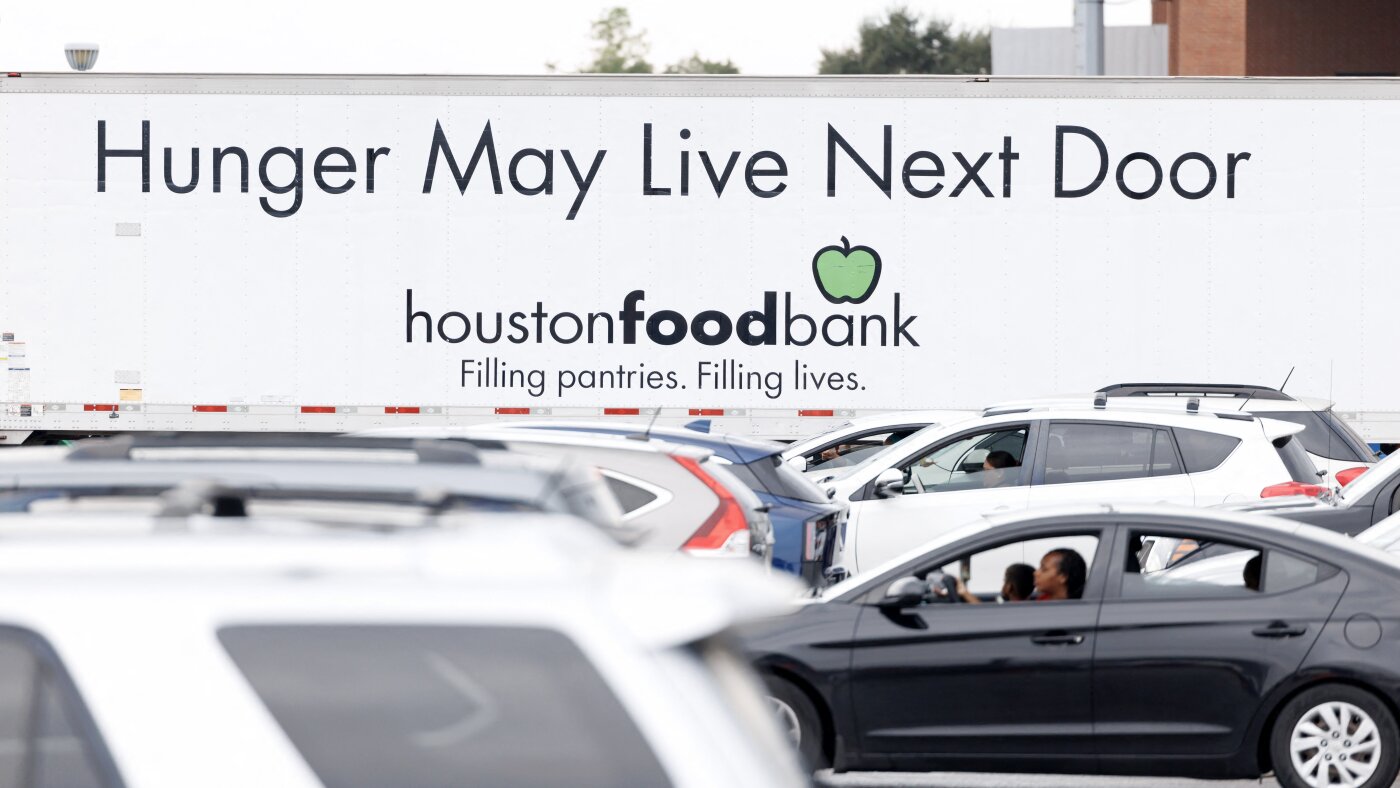
Food Insecurity Surges - consumer demand, retail trends, and economic growth analysis. A new survey from the Federal Reserve Bank of New York indicates that more American families are experiencing food insecurity now than during the height of the COVID-19 pandemic. The finding suggests persistent economic strain among low-income households, even as broader economic indicators show recovery.
Live News
Food Insecurity Surges - consumer demand, retail trends, and economic growth analysis. Seasonality can play a role in market trends, as certain periods of the year often exhibit predictable behaviors. Recognizing these patterns allows investors to anticipate potential opportunities and avoid surprises, particularly in commodity and retail-related markets. According to a recently released survey by the Federal Reserve Bank of New York, the share of households reporting food insecurity has risen above the level observed at the peak of the coronavirus pandemic. The survey measures households’ ability to afford enough food, and the latest data point to a deteriorating situation for many families. While the exact figures from the survey were not specified in the report, the trend signals that the economic aftershocks of the pandemic—including elevated inflation, rising interest rates, and the end of emergency food assistance programs—may be taking a toll on household budgets. The survey is part of the New York Fed’s ongoing efforts to track consumer well-being and financial stability. The report comes against a backdrop of mixed economic data: job growth remains resilient, but consumer sentiment has been sluggish and savings buffers have dwindled for lower-income groups. Food insecurity is often considered a lagging indicator of financial stress, and the latest reading suggests that the cost-of-living crisis may be deepening for vulnerable populations.
Food Insecurity in US Exceeds Pandemic Levels, New York Fed Survey Shows Some traders incorporate global events into their analysis, including geopolitical developments, natural disasters, or policy changes. These factors can influence market sentiment and volatility, making it important to blend fundamental awareness with technical insights for better decision-making.A systematic approach to portfolio allocation helps balance risk and reward. Investors who diversify across sectors, asset classes, and geographies often reduce the impact of market shocks and improve the consistency of returns over time.Food Insecurity in US Exceeds Pandemic Levels, New York Fed Survey Shows While algorithms and AI tools are increasingly prevalent, human oversight remains essential. Automated models may fail to capture subtle nuances in sentiment, policy shifts, or unexpected events. Integrating data-driven insights with experienced judgment produces more reliable outcomes.The use of multiple reference points can enhance market predictions. Investors often track futures, indices, and correlated commodities to gain a more holistic perspective. This multi-layered approach provides early indications of potential price movements and improves confidence in decision-making.
Key Highlights
Food Insecurity Surges - consumer demand, retail trends, and economic growth analysis. Real-time analytics can improve intraday trading performance, allowing traders to identify breakout points, trend reversals, and momentum shifts. Using live feeds in combination with historical context ensures that decisions are both informed and timely. Key takeaways from the New York Fed survey include the widening gap between headline economic growth and the lived experience of many households. While inflation has moderated from its 2022 peak, food prices remain elevated, and the cumulative impact of higher costs appears to be pushing more families into food hardship. The survey also highlights a potential shift in consumer behavior: as households prioritize necessities, discretionary spending may face further headwinds. This dynamic could weigh on sectors such as retail, restaurants, and entertainment, which rely on consumer confidence and disposable income. From a policy perspective, the data may renew debate about the need for targeted assistance programs. The expiration of expanded SNAP benefits and other pandemic-era safety nets could be contributing to the rise in food insecurity. The Federal Reserve’s interest rate policy also plays a role, as higher borrowing costs can squeeze household budgets indirectly.
Food Insecurity in US Exceeds Pandemic Levels, New York Fed Survey Shows Many investors adopt a risk-adjusted approach to trading, weighing potential returns against the likelihood of loss. Understanding volatility, beta, and historical performance helps them optimize strategies while maintaining portfolio stability under different market conditions.Sentiment analysis has emerged as a complementary tool for traders, offering insight into how market participants collectively react to news and events. This information can be particularly valuable when combined with price and volume data for a more nuanced perspective.Food Insecurity in US Exceeds Pandemic Levels, New York Fed Survey Shows Experienced traders often develop contingency plans for extreme scenarios. Preparing for sudden market shocks, liquidity crises, or rapid policy changes allows them to respond effectively without making impulsive decisions.Cross-asset analysis provides insight into how shifts in one market can influence another. For instance, changes in oil prices may affect energy stocks, while currency fluctuations can impact multinational companies. Recognizing these interdependencies enhances strategic planning.
Expert Insights
Food Insecurity Surges - consumer demand, retail trends, and economic growth analysis. Tracking order flow in real-time markets can offer early clues about impending price action. Observing how large participants enter and exit positions provides insight into supply-demand dynamics that may not be immediately visible through standard charts. For investors, the rise in food insecurity may offer clues about the broader economic trajectory. While the overall economy has proven resilient, the survey suggests that lower-income households are under renewed pressure, which could eventually ripple into consumer credit and savings metrics. Sectors tied to basic necessities—such as discount retailers, packaged food companies, and agricultural commodities—could see sustained demand from cost-conscious consumers. However, any further deterioration in household financial health might pose risks to sectors that depend on robust consumer spending. The survey serves as a reminder that recovery from the pandemic remains uneven. Policymakers and market participants may need to monitor these trends closely, as persistent food insecurity could signal deeper structural challenges in the labor market and social safety net. The situation warrants continued observation rather than immediate conclusions about the direction of the economy. Disclaimer: This analysis is for informational purposes only and does not constitute investment advice.
Food Insecurity in US Exceeds Pandemic Levels, New York Fed Survey Shows Investors often balance quantitative and qualitative inputs to form a complete view. While numbers reveal measurable trends, understanding the narrative behind the market helps anticipate behavior driven by sentiment or expectations.Market behavior is often influenced by both short-term noise and long-term fundamentals. Differentiating between temporary volatility and meaningful trends is essential for maintaining a disciplined trading approach.Food Insecurity in US Exceeds Pandemic Levels, New York Fed Survey Shows Continuous learning is vital in financial markets. Investors who adapt to new tools, evolving strategies, and changing global conditions are often more successful than those who rely on static approaches.Observing correlations between different sectors can highlight risk concentrations or opportunities. For example, financial sector performance might be tied to interest rate expectations, while tech stocks may react more to innovation cycles.